Menu Close

Effective Tips for Tree Pruning Akron OH: A Complete Guide

Removing a tree stump can be a daunting task, especially if you’re unsure of the right techniques or tools to use. Whether you’re clearing your yard for landscaping or eliminating an eyesore, it’s important to approach stump removal with care and proper planning. This guide outlines safe and effective methods for removing a tree stump while minimizing risks.

Why Remove a Tree Stump?

  • Tripping hazards: Stumps can create safety concerns, particularly in high-traffic areas.
  • Pest infestations: Decaying stumps attract insects such as termites, ants, and beetles.
  • Regrowth: Some stumps may sprout new growth, creating additional maintenance.
  • Aesthetic concerns: A leftover stump can detract from the overall appearance of your property.

By removing the stump properly, you’ll maintain the visual appeal and safety of your yard while avoiding potential problems.

Tools Needed for Safe Stump Removal

  1. Shovel
  2. Axe or mattock
  3. Chainsaw (optional)
  4. Digging bar
  5. Safety gear (gloves, goggles, closed-toe boots)
  6. Heavy-duty rope or chain (for pulling)
  7. Drill (if using chemical removal methods)

Additionally, you may need a stump grinder if you’re considering mechanical removal.

Methods for Tree Stump Removal

1. Manual Removal

This method works best for small-to-medium sized stumps.

  • Dig around the base of the stump using a shovel or mattock.
  • Expose as many roots as possible by clearing away soil.
  • Cut through larger roots with an axe or saw.
  • Use leverage to pry out the loosened stump with a digging bar.
2. Chemical Removal
  • Drill deep holes into the top of the tree stump using a large drill bit.
  • Fill the holes with potassium nitrate or another commercial stump remover.
  • Add water to accelerate decomposition over several weeks.
  • Once softened, remove remaining debris manually.
3. Grinding
  • Rent or hire professional-grade equipment specifically designed for grinding stumps into mulch-like chips.
  • Wear appropriate safety gear during operation.
  • Gradually grind down layers until no portion of the visible stump remains above ground level.

Safety Tips During Stump Removal

  1. Wear protective gear: Goggles prevent eye injuries from flying debris; gloves protect hands from sharp tools.
  2. Check local regulations: Confirm that chemical methods comply with environmental restrictions in your area before use.
  3. Avoid rushing: Take time when handling heavy equipment like grinders to reduce accidents or damage nearby structures such as fences and sidewalks.

Table Comparison: Manual vs Chemical vs Grinding Methods

Method Effort Required Time Frame Cost Best For
Manual High 1–3 days Low Small-to-medium-sized stumps
Chemical Low Several weeks/months Moderate Patience required; non-time-sensitive
Grinding Moderate A few hours High (rental fees apply) Large stumps; rapid results

Proper planning is key to successful and safe tree stump removal. By selecting the appropriate method based on individual needs and following safety precautions closely, you can restore both functionality and beauty to your outdoor space without unnecessary risks or hassle.

Step-by-Step DIY Guide to Stump Removal Akron OH

Removing a tree stump can seem like a daunting task, but with the right approach and tools, it is manageable. One effective and eco-friendly method is to accelerate its natural decomposition process, commonly referred to as rotting. Below is a step-by-step guide to help you safely and effectively rot and remove a tree stump.

Benefits of Using the Rotting Method

  • Environmentally Friendly: This technique relies on natural decomposition, minimizing harm to the environment.
  • Cost-Effective: It requires minimal investment in tools or chemicals compared to grinding or professional services.
  • Low Effort: Unlike digging or grinding, this method does not involve significant physical labor once initiated.

Step 1: Prepare the Stump for Decomposition

Start by trimming down the stump as close to ground level as possible using a chainsaw or hand saw. The shorter the stump, the quicker it will decompose.

Next, use your drill fitted with a wood bit (approximately ½ inch in diameter) to drill several holes into the top surface of the stump. Space these holes evenly across the surface and make them at least 8–12 inches deep.

Step 2: Apply Epsom Salt or Rock Salt

  • Fill each hole with Epsom salt or rock salt until they are nearly full.
  • Lightly sprinkle water over each filled hole to help dissolve the salt slightly—this will accelerate absorption by the wood.
  • Be cautious not to oversaturate; excess water may dilute the salt’s effectiveness.

Salt works by absorbing moisture from within the stump, encouraging faster decay while also deterring new growth.

Step 3: Cover and Contain Moisture

  • Place a plastic tarp over the treated surface of your stump.
  • Secure it with rocks or bricks around its edges.
  • Add mulch or soil on top of the tarp—this helps weigh it down while trapping heat and moisture beneath.

The heat generated under this setup further accelerates rotting.

Step 4: Monitor Progress Regularly

  1. Remove any debris from around its base.
  2. Reapply Epsom salt if needed every few weeks.
  3. Keep it covered at all times for optimal results.

As time passes, you will notice that sections of wood have become soft and crumbly—a clear sign decomposition is taking place effectively.

Step 5: Removal of Rotten Stump Material

  1. Use a shovel or pickaxe to break apart softened sections piece by piece.
  2. Collect decomposed material in bags for disposal if needed.
  3. For larger roots remaining underground after removal, repeat salting treatment until they too soften enough for extraction.

Essential Safety Tips from a Tree Removal Company in Akron OH for Removing Tree Stumps

treeserviceakronohpros.net

  • Wear gloves when handling tools like drills or shovels.
  • Avoid breathing in sawdust if sawing down stumps initially—use protective eyewear and masks where necessary.
  • Handle salts carefully; excessive amounts can affect surrounding soil quality negatively over time if misapplied.

By following these steps diligently while observing safety precautions throughout each stage involved in rotting/removing stumps naturally—you’ll ensure successful results without requiring heavy-duty machinery investments typically associated otherwise!

Understanding the Cost of Tree Cutting Service Akron OH

Tree stump removal can be a critical service for homeowners and businesses looking to maintain their landscapes. The cost of removing a tree stump depends on several factors, including the size of the stump, the method used for removal, and whether you hire a professional service or opt for a DIY approach. This guide will help you better understand the expenses involved and make informed decisions.

Factors Affecting Tree Stump Removal Costs

  1. Diameter: Larger stumps typically cost more to remove because they require more labor or specialized equipment.
  2. Depth: Tree roots that extend deep into the ground add to the complexity and expense of removal.
  3. Accessibility plays a significant role in pricing. If the stump is in a hard-to-reach area, such as near structures or on uneven terrain, expect higher fees.
  4. Grinding: Tree stump grinding is often less expensive than full extraction but may leave some roots behind.
  5. Chemical Removal: Using chemicals to accelerate decomposition may save money upfront but can take weeks or months.
  6. Manual Removal: Labor-intensive manual methods are generally time-consuming and may add costs depending on labor rates.
  7. Removing debris, refilling soil, or replanting grass adds extra costs to stump removal services.

Average Cost Breakdown

Removal Method Average Cost (Per Stump) Notes
Stump Grinding $75–$300 Costs depend on stump size and number
Chemical Decomposition $20–$100 Requires purchasing specific products
Manual Labor $100–$400 Labor costs vary by region
Full Extraction $350–$700 Includes root system removal

DIY vs Professional Services

  • DIY Approach Opting for DIY methods like chemical decomposition or renting grinding equipment can save money but requires time, effort, and knowledge about proper techniques.

Pros:
– Lower upfront costs if you’re willing to invest your own labor. – More control over how and when work is completed.

Cons:
– Risk of injury from improper use of tools. – May require additional purchases like tools or chemicals.

  • Hiring Professionals Professional arborists bring expertise, advanced tools, and safety equipment to ensure efficient results with minimal hassle.

Pros: – Faster results compared to DIY options. – Expertise in tackling difficult projects like large stumps or those near sensitive areas (e.g., underground utilities).

Cons: – Higher initial expense compared to DIY approaches.

Tips to Save Money on Tree Stump Removal

  • Obtain multiple quotes from reputable providers before making a decision.
  • Bundle tree services such as pruning or tree cutting with stump removal for potential discounts.
  • Consider partial grinding if full extraction isn’t necessary for your landscape needs.

Understanding these factors will help you plan your budget effectively while ensuring that your property remains safe and visually appealing after tree stump removal.

Expert Tips for Getting Rid of a Tree Stump Quickly and Efficiently

Removing a tree stump from your property can be a challenging task, but with the right approach and techniques, it is possible to tackle this problem efficiently. Whether you want to improve the appearance of your landscape or prevent potential hazards, here are some expert tips to help you remove tree stumps quickly and effectively.

Assess the Size and Condition of the Stump

  • Size: Larger stumps will require more effort and potentially specialized equipment.
  • Condition: A rotting or decayed stump may be easier to remove compared to a freshly cut one.
  • Tree Species: Hardwood stumps (e.g., oak) are denser and harder to remove than softwood stumps (e.g., pine).

Understanding these factors will help you determine the best removal method.

Methods for Quick and Efficient Stump Removal

  1. Grinding with a Stump Grinder
    A stump grinder is one of the fastest ways to get rid of a tree stump. This machine uses a rotating blade that chips away at the wood until it’s below ground level. While effective, it’s recommended to hire an experienced operator or arborist if you’re unfamiliar with using this equipment.
  2. Chemical Stump Removal
    Chemicals such as potassium nitrate are used to accelerate the decomposition of stumps. Follow these steps for chemical removal:
  3. Drill several holes into the top of the stump.
  4. Pour in potassium nitrate or other recommended chemicals.
  5. Add water into each hole to dissolve the chemical.
  6. Wait several weeks as it breaks down the wood, making it easier to remove.
  7. Manual Removal
    For smaller stumps or those with shallow roots, manual removal may be feasible:
  8. Use tools like an axe, shovel, and mattock to dig around the roots.
  9. Cut through exposed roots before pulling out the stump.
  10. Burning
    In areas where burning is permitted:
  11. Drill holes in the surface of the stump.
  12. Fill them with kerosene or diesel (never gasoline).
  13. Ignite carefully and monitor until fully burned.

Safety Precautions

  • Wear protective gear such as gloves, goggles, steel-toed boots, and ear protection when using machinery.
  • Keep flammable materials away when burning stumps.
  • Follow all local laws regarding equipment use and chemical disposal.

When Should You Hire Professionals?

  • If you’re dealing with multiple large stumps across your property.
  • When specialized machinery (e.g., heavy-duty grinders) is required.
  • If root systems have grown near underground utilities or building foundations.

Professionals not only bring expertise but also ensure minimal damage to surrounding areas while completing tasks quickly.

Stump Removal Methods Best For Time Required Professional Expertise Required?
Grinding Large/medium-sized hardwood 1–2 hours per stump Yes
Chemical Removal Small/medium-sized stumps Weeks No
Manual Small/shallow-rooted species Several hours No
Burning Decayed/dry softwood Few hours No (if allowed)

By selecting appropriate methods based on your specific circumstances—and utilizing professional assistance when needed—you can ensure efficient removal while maintaining safety standards throughout your project.

The Top Benefits of Hiring Professional Arborists for Tree Services

When it comes to maintaining the health and safety of your trees, hiring professional arborists can make a significant difference. Trees are vital components of any landscape, offering shade, beauty, and environmental benefits. However, their proper care often requires specialized knowledge and skills. Below are the top benefits of hiring professional arborists for tree services.

Expertise and Knowledge

  • Tree species identification
  • Proper pruning techniques
  • Diagnosing diseases or pest infestations
  • Assessing tree health and structural integrity

Hiring an arborist ensures that any recommendations or interventions are based on scientific understanding rather than guesswork.

Safety First

  • Use specialized equipment like harnesses, ropes, and cranes to handle dangerous tasks safely
  • Follow strict occupational safety standards to minimize accidents
  • Assess potential risks like falling branches or weak root systems before performing any service

By hiring an arborist, you can safeguard your property as well as avoid personal injury during tree-related tasks.

Comprehensive Services


Service Description
Pruning Removing dead or diseased branches to promote growth
Planting Selecting species suitable for your soil and climate
Tree Removal Safe removal of hazardous or unwanted trees
Stump Grinding Eliminating stumps efficiently
Emergency Storm Cleanup Addressing damage caused by severe weather

This versatility ensures all aspects of your tree care are handled professionally.

Long-Term Cost Savings

  • Incorrect pruning techniques may weaken a tree’s structure over time.
  • Failing to address pest infestations early on could result in the loss of multiple trees on your property.
    Professional arborists help prevent these issues while optimizing the health and longevity of your trees.

Enhanced Aesthetic Appeal

  • Shape trees for symmetry and visual appeal
  • Address issues like overcrowding that might compromise aesthetics
    Healthy, attractive trees contribute significantly to curb appeal while also increasing property value.

Compliance With Local Regulations

Certain areas have local regulations regarding tree trimming, removal permits, or protected species. Professional arborists stay updated on these laws to ensure compliance during any project.

Hiring a certified arborist not only provides peace of mind but also guarantees that your trees receive expert-level care tailored specifically to their needs — improving safety, aesthetics, and overall health in the long term.

Understanding Tree Removal Akron OH: Common Questions About Stump Removal and Its Process

Tree stump removal is often a necessary step after tree removal, as leftover stumps can create several challenges, from safety hazards to aesthetic issues. Below are answers to some of the most frequently asked questions about tree stump removal, including its methods, costs, and benefits.Why Should You Remove a Tree Stump?Leaving a tree stump in your yard can lead to a variety of problems:
Safety Hazards: Stumps can be tripping risks for children or visitors.
Pest Infestation: Dead stumps attract pests like termites, ants, and beetles.
Regrowth Issues: Some tree species may sprout new shoots from the stump.
Curb Appeal: Stumps left in yards often detract from the overall appearance of your property.What Are the Common Methods for Tree Stump Removal?

  • Involves using a specialized machine called a stump grinder to grind the stump down below ground level.
  • Effective for larger stumps but usually requires professional help due to equipment complexity.
  • Involves applying chemical products such as potassium nitrate or other stump removers that accelerate decomposition.
  • Suitable for smaller stumps but takes weeks or months for full results.
  • Requires digging around the root system and physically pulling out the entire stump with tools like shovels or axes.
  • Labor-intensive and best suited for smaller stumps.
  • Burning (where legal)
  • The stump is set on fire under controlled conditions to reduce it to ash.
  • Check local regulations before attempting this method as it may not be permitted in many areas.

How Much Does Stump Removal Cost?

  • The size of the stump (diameter and depth).
  • The type of wood (hardwoods like oak take longer to grind than softwoods).
  • Accessibility of the area (stumps located near structures or fences may cost more).

On average: – Professional removal via grinding ranges between $100-$400 per stump. – Chemical treatments typically cost $10-$50 per application but require patience.Can I Remove a Tree Stump Myself?Yes, DIY removal can be an option if you’re dealing with small-to-medium-sized stumps. However, it’s important to weigh factors such as physical labor involved, availability of tools, and potential risks before proceeding. Renting equipment like a grinder can make DIY attempts smoother but adds expenses.What Are Some Tips for Choosing Professional Services?

  • Ask about their licensing and certifications—verify they meet industry standards.
  • Request an estimate upfront with details on costs and timelines.
  • Check reviews online or ask for references from previous clients.
  • Ensure they have adequate insurance coverage in case any damage occurs during work.

By understanding these FAQs about tree stump removal processes and services, you’ll be better equipped to address any lingering concerns related to this essential landscaping task effectively.Answers to Common Questions About Tree Stump Removal and Its ProcessTree stump removal is a common concern for property owners looking to maintain the safety, appearance, and functionality of their landscape. Below are detailed answers to frequently asked questions about the process, its importance, and what you can expect.Why Should I Remove a Tree Stump?

  • Safety Concerns: Stumps can be tripping hazards, especially for children or visitors unfamiliar with your yard.
  • Aesthetic Reasons: Old stumps can detract from the overall appearance of your yard or garden.
  • Pest Infestation: Stumps can attract insects like termites, ants, and beetles, which may eventually invade nearby structures.
  • Obstructed Landscaping: A remaining stump may hinder new planting projects or lawn maintenance efforts.

What Are the Common Methods for Removing Tree Stumps?

  • Stump Grinding: A mechanical grinder is used to grind the stump down below ground level. This method is efficient and widely used by professionals.
  • Chemical Removal: Chemicals like potassium nitrate are applied to break down the wood over time. This process requires patience but involves less physical labor.
  • Manual Removal: The old-fashioned way of digging and cutting out the stump using tools like shovels, axes, and saws.
  • Burning: Involves drilling holes into the stump, adding fuel (like kerosene), and carefully burning it until it disintegrates.
  • Natural Decay Acceleration: You can speed up the natural rotting process by covering a stump with soil or compostable materials.

Each method has its pros and cons regarding cost, time required, and environmental impact.How Long Does it Take to Remove a Tree Stump?

  • The size of the stump
  • The chosen removal method
  • Grinding typically takes a few hours.
  • Chemical treatments may take weeks or months to fully break down a large stump.
  • Manual digging depends on physical effort but could take hours or days for larger stumps.

How Much Does Stump Removal Cost?Always consult local professionals for an accurate estimate tailored to your specific needs.Can I Remove a Tree Stump Myself?

  • For large stumps or those located near utilities like pipes or cables, hiring experts is safer.
  • Using chemicals requires understanding safety procedures and environmental guidelines in your area.

Is It Better to Grind a Stump or Remove It Completely?Grinding removes most of the visible part of the tree while leaving underground roots intact. Complete removal includes uprooting both the stump and roots from deep within the ground.Choose grinding if: – You want minimal disruption to surrounding soil. – You plan on replanting grass over that area soon after.Choose complete removal if: – The roots pose structural risks (e.g., near foundations). – You need space for major landscaping projects requiring deep soil preparation.By addressing these common questions about tree stump removal processes, you’ll be better equipped to choose an approach that aligns with your goals while maintaining your property’s integrity.

Method Time Required Cost Range Best For
Stump Grinding 1-2 hours $100-$400 Large stumps
Chemical Removal Weeks-Months $10-$50 Small-medium stumps
Manual Removal Several hours-days Minimal ($0-$50) Small stumps
Burning Hours (with prep) $0-$20 Areas where burning is legal
Method Estimated Cost Range (USD)
Grinding $100 – $400
Chemical Treatment $20 – $100 (materials)
Manual Labor DIY costs (tools/labor)
Professional Service $150 – $500

The Importance of Professional Stump Removal Akron OH for Your Property’s Health

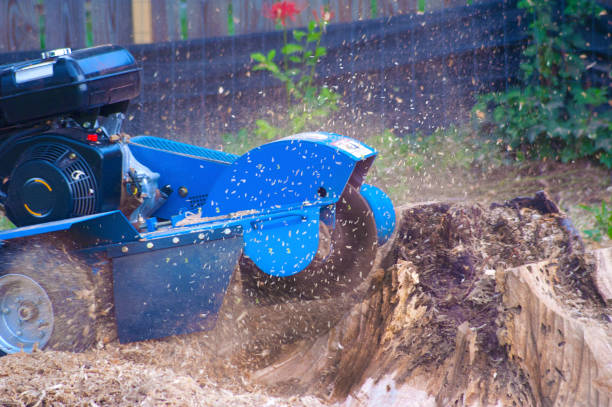
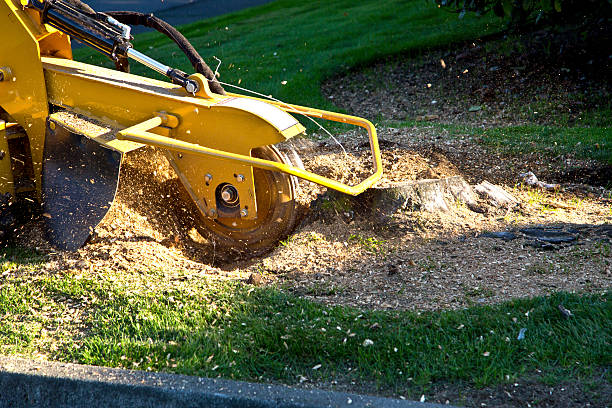
Stump Grinder at Work Machine grinding stump left after tree removal Stump grinding stock pictures, royalty-free photos & images

Trees are essential components of any property, providing shade, beauty, and environmental benefits. However, maintaining their health and ensuring they thrive requires professional care. Professional tree services go beyond simple maintenance; they are vital for safeguarding trees and enhancing the overall health of your property.

Protecting the Structural Integrity of Trees

Professional arborists understand the complexities of tree biology and can:
– Assess a tree’s structural integrity to identify potential hazards.
– Provide targeted pruning to remove weak or damaged branches.
– Diagnose diseases or pests that could compromise a tree’s stability.

By addressing these concerns early, professionals prevent potentially costly damage to nearby structures or landscapes.

Promoting Tree Health

Routine care by experts ensures trees remain healthy and robust:
Proper Pruning Techniques: Professionals know how to trim trees in ways that encourage balanced growth while avoiding stress to the plant.
Soil Management: They test soil conditions and recommend treatments like aeration, fertilization, or mulching to ensure optimal nutrient absorption.
Pest and Disease Control: Early identification of infestations or infections allows for quick treatment before the problem spreads.

These specialized practices help trees thrive for years while maintaining aesthetic appeal.

Enhancing Property Value

Healthy, well-managed trees significantly impact real estate value by improving curb appeal. According to studies, properties with mature trees often see an increase in market value by 7%–19%. In addition:
– Shady areas reduce energy costs during warmer months by lowering cooling needs.
– A well-landscaped yard creates a welcoming atmosphere that leaves a lasting impression on visitors or potential buyers.

Safety Considerations

Overgrown branches or leaning trees pose safety risks during storms or high winds. Professional services mitigate these risks through:
1. Tree Inspection – Identifying weak limbs likely to fall under pressure.
2. Emergency Removal – Safely removing hazardous trees threatening people or structures.

For homeowners prioritizing safety, investing in professional care is essential.

Service Type Benefits Provided Frequency Recommended
Tree Pruning Encourages growth & prevents structural weakness Annually
Soil Management Improves nutrient availability & overall tree health As needed based on soil tests
Pest/Disease Control Prevents widespread infestation & damage At first signs of issues
Emergency Services Eliminates immediate threats caused by fallen limbs As emergencies arise

Sustainability and Environmental Impact

Trees play a critical role in combatting climate change by absorbing carbon dioxide and providing oxygen. Without proper care, dying or diseased trees contribute less to these ecological benefits. Regular maintenance fosters ecological balance while ensuring your property stays green and vibrant year-round.

Investing in professional tree services is not just about aesthetics—it ensures healthier landscapes, safer surroundings, increased property value, and positive environmental contributions throughout your community.

Expert Tree Removal Akron OH: Ensuring Long-Term Tree Health

Trees are vital assets to any property, offering shade, beauty, and environmental benefits. However, maintaining their health requires more than occasional watering and basic care. Professional tree care services play a crucial role in ensuring the long-term well-being of your trees. Here’s a detailed look at why professional tree care is essential for their longevity and vitality.

Enhance Your Landscape with a Trusted Tree Removal Company Akron OH

  • Pruning: Regular pruning helps remove dead or diseased branches that can hinder growth.
  • Soil Analysis: Professionals assess soil quality to ensure it contains the necessary nutrients for optimal tree development.
  • Fertilization: Targeted fertilization nurtures trees by supplementing nutrient deficiencies.
  • Pest and Disease Management: Trained arborists can identify early signs of pest infestations or diseases and apply appropriate treatments.

By addressing these factors consistently, professionals help trees grow stronger and more resilient over time.

Expert Tree Cutting Service Akron OH for Preventing Hazards

  • Identifying weak or damaged branches that pose potential hazards.
  • Removing overgrowth near power lines or structures to prevent property damage.
  • Conducting structural assessments to ensure tree stability during storms.

By engaging professionals, you protect your property, reduce liability risks, and safeguard people in areas surrounding your trees.

Enhanced Aesthetic Appeal

  • Crown thinning: Improves light penetration without compromising the overall shape.
  • Crown raising: Removes lower branches for better clearance beneath the canopy.
  • Seasonal pruning: Maintains symmetry and promotes lush foliage growth throughout the year.

These methods make properties more visually appealing while boosting curb appeal for homeowners or businesses.

Long-Term Cost Savings

Problem Addressed Cost Without Professional Care Cost With Professional Tree Services
Untreated disease spreading Potential loss of multiple mature trees Targeted treatment prevents widespread damage
Storm-related branch breakage Emergency removal & possible structural property repair Regular pruning minimizes storm impact
Pest infestation Structural damage from termites entering via trees Early intervention avoids extensive treatment costs

Professionals prevent costly emergencies by proactively managing potential issues before they escalate.

Supporting Environmental Sustainability

  1. Improving air quality through carbon dioxide absorption.
  2. Reducing soil erosion with robust root systems.
  3. Providing habitats for wildlife within ecosystems.

Professional care ensures these ecological benefits continue uninterrupted by keeping trees alive longer and thriving in urban spaces where environmental pressures are higher.

Customized Care Plans Tailored to Your Trees

  • Managing invasive species common in specific regions.
  • Selecting appropriate fertilizer blends suited for local soil conditions.
  • Scheduling seasonal adjustments based on regional weather patterns.

Tailored plans ensure optimal health outcomes suited specifically for your landscape while maximizing long-term returns from healthy greenery investments.

Professional tree care is an indispensable component when aiming for vibrant landscapes year-round while avoiding costly pitfalls associated with neglecting this critical aspect of property management. By partnering with specialists who understand every facet involved—ranging from disease prevention strategies down through aesthetics enhancement techniques—you empower both nature’s resilience itself along improving surrounding human experiences effectively likewise sustainably benefiting broader communities indirectly too altogether seamlessly alike everywhere broadly comprehensively

tree stump in the garden a tree stump with plants and flowers Stump grinding stock pictures, royalty-free photos & images

The Benefits of Professional Tree Care for Long-Term Tree Health

Proper tree care is essential for maintaining the health, safety, and aesthetic appeal of your property. Trees are living organisms that require regular attention and maintenance to thrive. Engaging professional tree care services not only enhances the long-term vitality of your trees but also protects your landscape investment. Below, we outline the key benefits of professional tree care for long-term tree health.

Reasons to Invest in Professional Tree Care

  1. Expert Knowledge and Experience
    Professionals have specialized training and knowledge about tree biology, growth patterns, soil conditions, and pest management. Their expertise ensures that each tree receives tailored care based on its species, age, and environment.
  2. Early Detection of Problems
    Tree experts can identify signs of disease, pest infestations, or structural issues before they become critical problems. Early intervention minimizes damage, preserves tree health, and reduces costly removals or treatments.
  3. Proper Pruning Techniques
    Pruning is essential for maintaining a healthy structure and preventing hazards such as falling branches. Improper pruning can weaken trees or cause long-term damage. Professionals use precise techniques to remove dead or overgrown branches while promoting natural growth.
  4. Improved Safety
    Large trees near homes or utility lines can pose safety risks if not properly maintained. Certified arborists have the equipment and skills necessary to handle hazardous situations safely.

Key Benefits for Long-Term Tree Health

Benefit Description
Enhanced Growth Regular pruning promotes balanced growth and improves access to sunlight
Pest Management Arborists identify infestations early and recommend targeted solutions
Disease Prevention Proper care reduces vulnerability to common fungal infections or rot
Structural Integrity Pruning improves branch structure, strengthening trees against storms
Extended Lifespan Well-maintained trees live longer and remain aesthetically pleasing

Services Offered by Professional Tree Care Providers

  • Tree Health Assessments: Comprehensive evaluations of a tree’s condition.
  • Nutrient Management: Soil treatments to ensure optimal nutrient levels.
  • Cabling & Bracing: Structural support methods for weak or mature trees.
  • Pest & Disease Control: Integrated approaches to manage threats without harming surrounding plants.
  • Tree Trimming & Pruning: Promoting healthy growth by removing deadwood or excess branches.
  • Emergency Storm Cleanup: Removing debris after severe weather events.

Why Prioritize Long-Term Care?

Investing in professional care pays dividends over time by ensuring healthier trees with fewer risks associated with decay or instability. Healthy trees improve air quality, provide shade during hot months, increase property value, and create a more inviting outdoor space for years to come.

By entrusting your landscape’s most valuable assets—your trees—to qualified professionals with experience in their maintenance needs, you safeguard both their vitality and the overall aesthetic harmony of your property environment.

Expert Tips for Tree Pruning Akron OH: Ensuring Safe and Reliable Results

Selecting a reliable tree service provider is crucial for maintaining the health, safety, and appearance of your property. With numerous companies offering various services, it can be overwhelming to determine which provider best suits your needs. Below are essential considerations and strategies to guide you in hiring the right tree service professionals.

Why Choosing the Right Provider Matters

Trees are valuable assets that enhance property aesthetics, provide shade, improve air quality, and increase property value. However, improper tree care or removal practices can lead to:
Injury or property damage: Poorly executed trimming or removal can cause accidents or structural damage.
Tree health deterioration: Incorrect pruning may harm a tree’s long-term health.
Legal liabilities: Failing to comply with local regulations regarding tree removal or maintenance could result in fines.

By choosing a reputable provider with expertise and proper credentials, you ensure safety while protecting the long-term investment in your landscaping.

Factors to Consider When Selecting a Tree Service Provider

  1. Verify that the company holds proper licensing for operating in your area.
  2. Ensure they have certifications from recognized organizations like the International Society of Arboriculture (ISA).
  3. Request proof of liability insurance to cover potential damages to your property during the job.
  4. Confirm that they offer worker’s compensation insurance for their employees’ protection.
  5. Look for companies with several years of experience providing services such as pruning, stump grinding, or tree removal.
  6. Ask about their arborists’ training and if they follow industry standards like ANSI A300 guidelines for tree care.
  7. Read online reviews from platforms like Google or Yelp to gauge customer satisfaction.
  8. Request references from previous clients and ask about their experience working with the company.
  9. Service Offerings
    Choose providers offering comprehensive services such as:

    • Tree inspection and health assessments
    • Pruning and trimming
    • Emergency storm damage cleanup
    • Stump grinding/removal
  10. Safety Standards
    Ensure that the provider follows strict safety protocols by:

    • Using appropriate personal protective equipment (PPE)
    • Employing safe climbing techniques or aerial lifts when necessary
  11. Transparent Pricing
    Obtain detailed quotes that outline:
    | Service | Cost Estimate | Notes | |———————-|———————–|—————————-| | Tree Removal | $200–$2,000+ | Varies by size/complexity | | Trimming/Pruning | $75–$1,000+ | Based on scope of work | | Stump Grinding | $100–$400+ | Depending on stump size

Avoid companies offering extremely low bids without clear explanations; this could indicate subpar workmanship or lack of insurance coverage.

  1. Environmental Practices
    Professional providers should prioritize environmentally responsible practices such as recycling wood waste into mulch or following eco-friendly disposal methods.

Red Flags to Watch Out For

Be cautious of these warning signs when evaluating potential providers:
– Lack of proper licensing or insurance documentation – High-pressure sales tactics demanding immediate decisions – No written contract outlining scope of work – Failure to provide references upon request

Final Thoughts on Choosing Wisely

Hiring a professional tree service provider requires careful vetting to ensure reliable results that prioritize safety and environmental responsibility while maintaining your trees’ health and beauty over time.

Recognizing the Importance of Expert Tree Removal and Trimming Services

Proper tree removal and trimming are integral components of professional tree care services. These tasks not only enhance the aesthetic appeal of your property but also safeguard its overall health, functionality, and safety. Here’s a detailed look at why expert tree removal and trimming services are essential.

The Role of Tree Removal in Property Management

  • Safety Concerns: Dead or damaged trees can fall unexpectedly during storms or high winds, putting lives and property at risk.
  • Preventing Disease Spread: Diseased trees can infect nearby healthy trees if not removed promptly.
  • Structural Interference: Trees growing too close to buildings, power lines, or underground utilities may cause damage that necessitates their removal.
  • Creating Space for New Projects: Sometimes trees must be removed to make way for construction projects or landscaping redesigns.

Professional arborists assess the condition of your trees and determine whether removal is the best option. They follow strict safety protocols to mitigate risks during the process.

Why Regular Tree Trimming Matters

  • Improved Tree Health: Removing dead or diseased branches prevents decay from spreading to healthier parts of the tree.
  • Enhanced Growth: Proper pruning encourages stronger branch structure and better air circulation throughout the canopy.
  • Reduced Risk of Damage: Regularly trimmed branches are less likely to break under heavy winds or snowfall.
  • Better Sunlight Exposure: Thinning out dense foliage allows sunlight to penetrate lower sections of the tree and surrounding plants.

Professional Expertise Matters

  1. Proper assessment of tree health and structural stability.
  2. Safe use of advanced tools like chainsaws, rigging systems, and cranes when necessary.
  3. Compliance with local regulations concerning tree removal permits where applicable.
Service Type Key Benefits Recommended Frequency
Tree Removal Eliminates hazards; creates space As needed
Tree Trimming Enhances health; reduces risks Annually or biannually

Environmental Considerations

Expert service providers often prioritize sustainable practices by recycling removed wood into mulch or firewood, thus minimizing waste. Additionally, they may offer guidance on replanting native species that benefit local ecosystems.

By prioritizing expert tree removal and trimming services, property owners can maintain a safe, attractive outdoor environment while fostering long-term ecological balance on their land.

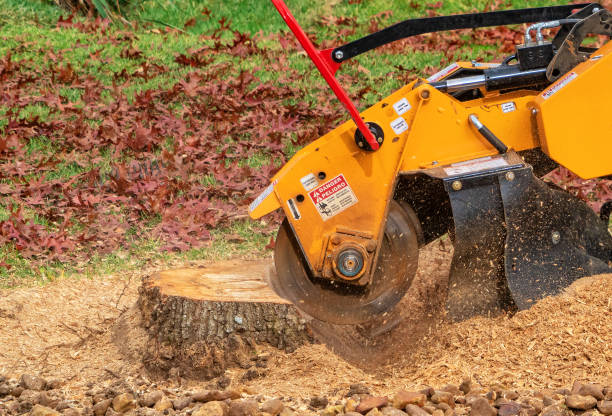
Stump Grinding A Stump Grinding Machine Removing a Stump from Cut Down Tree Stump grinding stock pictures, royalty-free photos & images

Strategies for Selecting the Best Landscaping and Tree Care Professionals

Selecting the right landscaping and tree care professionals is crucial for maintaining the health, safety, and beauty of your outdoor space. With so many providers available, it’s important to know what to look for to ensure you receive high-quality services tailored to your specific needs. Below, we explore key strategies for making an informed decision.

Assess Qualifications and Certifications

  • Memberships: Look for affiliations with organizations like the International Society of Arboriculture (ISA) or Tree Care Industry Association (TCIA).
  • Certifications: Verify if they employ ISA Certified Arborists or other trained specialists who understand industry best practices.
  • Licensing and Insurance: Ensure the company has state-required licenses and carries liability insurance to protect against accidents or damage during their work.

Understand Their Range of Services

  • Tree trimming and pruning
  • Tree removal
  • Stump grinding
  • Emergency storm cleanup
  • Disease diagnosis and treatment
  • Planting and landscape design assistance

Choosing a provider that offers a wide array of services can save you time by consolidating maintenance under one trusted professional.

Request References or Reviews

  1. Ask for references from past clients.
  2. Request before-and-after photos of completed projects.
  3. Check their online portfolio or website to review testimonials.

Consistent positive feedback is a good indicator of quality work.

Compare Estimates and Contracts

Aspect Why It Matters
Scope of Work Clarifies exactly what services will be performed
Timeline Provides an expected start-to-finish schedule
Pricing Breakdown Outlines costs for labor, materials, etc., ensuring transparency
Warranty/Guarantee Details Ensures coverage if issues arise after completion

Ask About Safety Protocols

  • Use of personal protective equipment (PPE) like helmets, gloves, harnesses, etc.
  • Compliance with OSHA guidelines.
  • Pre-work risk assessments.

Providers who emphasize safety reduce potential risks to your property while safeguarding their team members.

Prioritize Communication Skills

  1. Observe how clearly they explain their process.
  2. Ask questions about methods used—professional companies should provide thorough answers.
  3. Confirm responsiveness regarding scheduling or concerns raised throughout the project timeline.

Reliable communication ensures both parties are aligned on expectations throughout every stage of service delivery.

By carefully evaluating these factors when selecting landscaping and tree care professionals, you can confidently invest in experts who will enhance both the aesthetic appeal and overall health of your property’s greenery long-term.

Key Insights into Comprehensive Tree Services for a Beautiful Landscape

Comprehensive tree services play a vital role in creating and maintaining a beautiful, safe, and functional outdoor space. Whether you’re a homeowner or managing a commercial property, understanding the scope of professional tree services can help you make informed decisions about your landscape.

Core Tree Services That Enhance Landscapes

  1. Encourages healthy growth by removing dead or diseased branches.
  2. Enhances the overall shape and balance of trees for visual appeal.
  3. Increases light penetration to grass, flowers, and shrubs beneath trees.
  4. Selection of appropriate tree species based on soil type, climate, and aesthetic goals.
  5. Proper planting techniques to promote long-term health and growth.
  6. Safe elimination of dead or hazardous trees that may pose risks to people or property.
  7. Removal in areas where trees obstruct construction plans or compromise landscaping designs.
  8. Eliminates unsightly stumps that detract from the beauty of your yard.
  9. Prevents pests like termites or ants from inhabiting rotting stumps.
  10. Identification of diseases such as fungal infections, pest infestations, or nutrient deficiencies.
  11. Application of treatments like organic sprays or soil amendments for improved health.

Benefits of Comprehensive Tree Services

  • Improved Aesthetics: Well-maintained trees enhance curb appeal by adding structure, shade, and natural beauty to outdoor spaces.
  • Increased Property Value: Landscapes with healthy trees often increase property value by as much as 10-15%.
  • Safety Assurance: Regular pruning reduces hazards posed by falling branches during storms.
  • Environmental Health: Healthy trees improve air quality, provide shade that reduces energy costs during hot months, and support local ecosystems.

Table: Comparison Between DIY Maintenance & Professional Tree Services

Aspect DIY Maintenance Professional Tree Services
Knowledge & Expertise Limited knowledge; prone to errors Trained experts with years of experience
Tools Required Basic tools often insufficient Specialized equipment for safe results
Safety Higher risk for injury Professionals follow strict safety protocols
Long-Term Results May harm tree growth if done poorly Promotes optimal health and longevity

Signs You Need Comprehensive Tree Services

  • Overgrown branches obstructing pathways or driveways.
  • Trees leaning significantly after storms or heavy winds.
  • Deadwood accumulation on the ground around your property.
  • Fungal growth (e.g., mushrooms) at the base of trunks – an indicator of internal decay.
  • Leaves yellowing out-of-season due to potential nutrient deficiencies.

Regularly assessing these indicators ensures timely intervention before problems escalate.

A commitment to comprehensive tree service is essential not just for maintaining the visual appeal of your property but also for ensuring environmental sustainability and safety over time.

Key Insights into Comprehensive Tree Services for a Beautiful Landscape

Comprehensive tree services play an integral role in creating and maintaining a stunning landscape. Proper care ensures that trees remain healthy, safe, and visually appealing while also benefiting the surrounding environment. Below, we explore various aspects of comprehensive tree services and their significance in achieving a beautiful outdoor space.

The Scope of Comprehensive Tree Services

  • Tree Pruning and Trimming: Regular pruning improves tree structure, enhances aesthetics, and promotes growth by removing dead or overgrown branches.
  • Tree Removal: Safe removal of hazardous or unwanted trees, ensuring minimal impact on surrounding plants and structures.
  • Stump Grinding: Eliminates unsightly stumps that can detract from the appearance of your landscape while preventing pest infestations.
  • Tree Health Assessments: Identifying diseases, infestations, or other health concerns to implement appropriate treatments early.
  • Planting Services: Choosing the right species for your soil type and climate to enhance biodiversity in your yard.
  • Emergency Storm Cleanup: Addressing fallen limbs or uprooted trees after severe weather events to restore safety and order.

These services not only enhance the aesthetic appeal of your property but also contribute to environmental sustainability by preserving healthy trees.

How Professional Tree Services Enhance Landscape Beauty

  1. Improved Aesthetics: Proper trimming shapes trees into visually pleasing forms that complement the overall design of your outdoor space.
  2. Increased Sunlight Exposure: Thoughtful branch removal allows sunlight to reach lawns, flowerbeds, and other plants underneath.
  3. Enhanced Safety: Removing deadwood reduces risks posed by falling branches while clearing space around structures like driveways or power lines.
  4. Better Soil Health: Expert arborists employ techniques such as mulching around tree bases to retain soil moisture and prevent erosion.
  5. Seasonal Landscaping Needs: Planning for seasonal changes ensures year-round beauty with well-maintained greenery.

Table: Benefits of Comprehensive Tree Care vs DIY Maintenance

Aspect Professional Tree Care DIY Maintenance
Expertise Certified arborists with specialized knowledge Limited understanding of best practices
Equipment Access to advanced tools Basic tools may be insufficient
Safety Proper risk management during tasks Higher risk due to lack of experience
Long-Term Results Ensures sustained tree health Risk of improper care causing damage
Cost Efficiency Prevents expensive future repairs Short-term savings but potential long-term costs

Sustainable Practices for Beautiful Landscapes

  • Encouraging native plant species that thrive without excessive water usage.
  • Recycling removed wood through mulch production or eco-friendly disposal methods.
  • Implementing pest management strategies that minimize chemical usage while protecting beneficial organisms.

By adopting these approaches, professional tree services contribute not only to individual property improvement but also to broader environmental conservation efforts.

Investing in comprehensive tree care is essential for anyone who wants their outdoor space to flourish year after year while maintaining safety and visual appeal throughout all seasons.


The Essential Guide to Tree Removal Akron OH: When and How to Do It Right

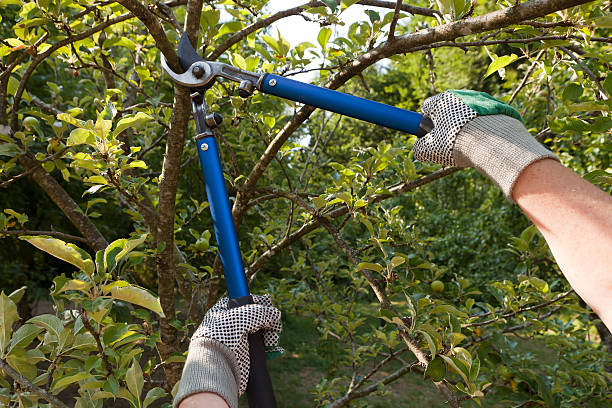
pruning shears Farmer pruning an apple tree with pruning shears tree pruning stock pictures, royalty-free photos & images

Pruning is a critical aspect of tree care that ensures healthy growth, enhances aesthetic appeal, and protects the surrounding environment. When done correctly, pruning can extend the life of your trees while reducing potential hazards. However, understanding when and how to prune is essential for achieving these benefits. Below is a comprehensive guide on how to approach tree pruning effectively.

Benefits of Proper Tree Pruning

Regular pruning provides several advantages for both the tree and its surroundings:
Encourages Healthier Growth: Removes dead or diseased branches that could hinder overall growth.
Enhances Safety: Eliminates weak or overhanging limbs that pose risks to people or property.
Improves Appearance: Helps maintain a clean, well-shaped canopy for ornamental purposes.
Increases Sunlight Penetration: Opens up the canopy, allowing sunlight and air circulation to reach lower branches and nearby vegetation.

When Is the Best Time To Prune Trees?

  • Late Winter/Early Spring (Dormant Season): This is the best time for most deciduous trees because they are not actively growing, reducing stress and sap loss.
  • Summer Pruning: Useful for managing excessive growth by thinning out branches after new shoots have fully developed.
  • Avoid Fall Pruning: Cutting during fall can expose trees to fungal spores during wet conditions and slow their recovery process.
Tree Type Ideal Timing for Pruning Notes
Deciduous Trees Late Winter/Early Spring Promotes vigorous spring growth
Flowering Trees After Blooming Cycle Prevents cutting off future blooms
Evergreen Trees Late Winter Avoid cutting too deeply into old wood

How To Perform Tree Pruning Correctly

  1. Look for brittle or discolored limbs.
  2. Remove these first to prevent problems from spreading.
  3. Use sharp pruners, loppers, or saws depending on branch size.
  4. Clean tools after each use to prevent disease transmission.
  5. First Cut (Undercut): Prevents bark tearing by cutting a few inches away from the branch collar underneath the limb.
  6. Second Cut (Relief Cut): Removes weight by cutting through the branch further out.
  7. Final Cut: Smoothly trims along the branch collar without damaging it.
  8. Avoid over-pruning—no more than 25% of a tree’s canopy should be removed in one session.
  9. Maintain natural shapes rather than forcing unnatural designs.

Tips for Specific Situations

  • Handle small cuts promptly with proper sealing techniques if needed.
  • For young trees: Focus on establishing a strong central leader while removing competing shoots early in their development.
  • For mature trees: Minimize heavy cuts; instead focus on selective thinning.

By following these practices thoughtfully, you can ensure your trees remain healthy, safe, and visually appealing throughout their lifespan. Regular observation and appropriate care are key components in fostering long-term vitality in your landscape.

Essential Tree Pruning Akron OH Tips to Avoid Common Mistakes

Pruning trees is essential for their health, growth, and structural stability. However, improper pruning can lead to long-term damage, disease, or even the death of a tree. Knowing common pruning mistakes and how to avoid them ensures that your trees remain healthy and beautiful year-round.

Mistake 1: Over-Pruning (Excessive Removal of Branches)

Over-pruning occurs when too much of a tree’s canopy is removed at once. This can leave the tree unable to produce enough food through photosynthesis, leading to stress and vulnerability.

How to Avoid Over-Pruning: – Follow the “one-third rule”: Never remove more than 25-30% of a tree’s canopy in a single pruning session. – Focus on removing dead or diseased branches first before addressing aesthetic concerns. – For young trees, prioritize shaping gradually over multiple years instead of all at once.

Mistake 2: Pruning at the Wrong Time

Certain trees have specific seasons when they should or shouldn’t be pruned. For example: – Spring-flowering trees should typically be pruned after their blooming period. – Some species are best pruned during dormancy in late winter for better results.

How to Avoid Poor Timing: – Research the specific pruning schedule for your tree species. – For general purposes, late winter is considered a safe time for most deciduous trees as they are dormant. – Avoid heavy pruning in late fall, as it may stimulate new growth that can be damaged by frost.

Mistake 3: Using Improper Tools or Dull Blades

Using dull tools can tear tree bark rather than creating clean cuts. This increases the risk of disease and pests entering the wounds.

How to Avoid Tool Errors: – Invest in quality tools such as bypass pruners, loppers, and hand saws appropriate for branch sizes. – Tool Example Table:
| Tool | Use | |—————|———————————————————————| | Bypass Pruner | Small branches up to ¾ inch in diameter | | Loppers | Medium branches between ¾ inch and 2 inches | | Hand Saw | Large branches over 2 inches | – Sharpen blades regularly to maintain precision. – Clean tools with rubbing alcohol after each use to prevent spreading diseases between trees.

Mistake 4: Topping Trees

Topping refers to cutting off large portions of a tree’s crown indiscriminately. While this may reduce height temporarily, it often leads to weak regrowth and structural issues.

How to Avoid Topping: – Opt for crown reduction techniques instead of topping when trying to manage height or size. – Hire an arborist if you are unsure how much canopy should be reduced safely without damaging the tree’s structure.

Mistake 5: Neglecting Deadwood Removal

Failing to remove deadwood not only affects aesthetics but also creates hazardous conditions as dead branches may fall unexpectedly.

How to Address Deadwood Properly: – Regularly inspect your trees for dead or dying branches. – Use proper cutting techniques (e.g., making cuts just outside the branch collar) when removing dead limbs.

Final Thoughts on Avoiding Common Pruning Errors

Proper pruning plays an essential role in maintaining strong, healthy trees. By understanding these common mistakes—over-pruning, timing errors, poor tool use, topping practices, and neglecting deadwood removal—you can help ensure your landscape thrives while minimizing long-term damage risks.

Essential Tips for Stump Removal Akron OH and Improving Tree Care

Pruning is a critical aspect of tree care that helps maintain tree health, structure, and beauty. However, improper techniques can do more harm than good, potentially leading to disease, structural instability, or even the death of the tree. Below is an overview of common pruning mistakes and actionable ways to avoid them.

1. Over-Pruning

One of the most frequent mistakes is removing too much foliage at once. Trees need their leaves to produce energy through photosynthesis, and excessive pruning can stress the tree, leaving it vulnerable to pests and diseases.

How to Avoid Over-Pruning: – Limit pruning to no more than 25% of a tree’s canopy in one season. – Focus on removing dead, damaged, or diseased branches first before addressing aesthetic concerns. – Space out heavy pruning over multiple seasons if significant work is required.

2. Topping Trees

Tree topping—the practice of cutting off the tops of trees—might seem like a quick fix for height control but often leads to weak regrowth and structural instability. It also creates large wounds that are prone to decay and pest infestations.

Better Alternatives: – Use selective thinning methods instead of cutting off large sections. – Hire a professional arborist if size reduction or reshaping is necessary. – Plant trees appropriate for your space to minimize future size conflicts.

3. Using Improper Tools

Using dull or incorrect tools can result in jagged cuts that don’t heal properly, increasing susceptibility to infections. Furthermore, dirty tools can transfer diseases from one plant to another.

Tool Tips: – Always use sharp pruning shears or saws designed for trees. – Sterilize tools with rubbing alcohol or bleach solution before moving between plants. – Invest in high-quality tools for durability and effectiveness.

4. Pruning at the Wrong Time

Each species has an ideal time for pruning based on growth cycles. For instance: – Pruning in late spring may remove blooms from flowering trees. – Winter pruning during dormancy works well for most trees but might stress some species sensitive to cold damage if heavy cuts are made.

General Guidelines by Season: | Season | Recommended Pruning Activities | |—————|——————————————————-| | Winter | Structural shaping; removing deadwood | | Spring | Light touch-ups; avoid heavy pruning | | Summer | Removing water sprouts; addressing storm damage | | Fall | Avoid major cuts as this encourages new growth susceptible to frost |

5. Leaving Stubs Behind

Failing to cut close enough to the branch collar (the swelling where a branch meets the trunk) leaves stubs that won’t heal efficiently. These stubs decay over time and may become entry points for pests or diseases.

Proper Methodology: – Make cuts just outside the branch collar without damaging it. – Use three-step cutting techniques for larger branches: – First cut underneath about a foot away from the trunk. – Second cut from above slightly further out until the branch falls. – Final cut near the collar ensures clean healing.

6. Ignoring Tree Health After Pruning

Even after correctly performing pruning tasks, neglecting post-prune care can negatively affect recovery.

Key Post-Prune Actions: – Water adequately during dry periods following extensive trimming. – Apply mulch around the base (but not against the trunk) for moisture retention. – Monitor for signs of stress such as yellowing leaves or dieback after large-scale cuts were performed.

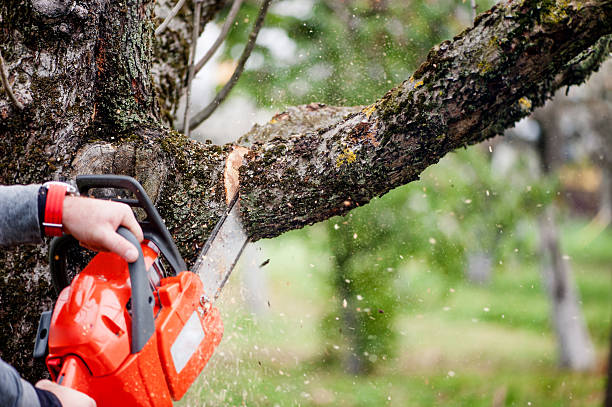
man cutting trees using an electrical chainsaw and professional man cutting trees using an electrical chainsaw and professional tools tree cutting stock pictures, royalty-free photos & images

Expert Tips from a Tree Removal Company Akron OH on Better Tree Care Practices

Avoiding these common mistakes requires knowledge, attention to detail, and patience. When in doubt about complex jobs like structural corrections or extensive canopy thinning, consulting with a certified arborist ensures your trees remain healthy and thriving long-term while mitigating risks posed by errors in technique or timing. Proper planning paired with precise execution will promote strong growth patterns while keeping your landscape visually appealing over time.

Finding the Right Tree Cutting Service Akron OH for Your Tree Care Needs

Tree care is an essential part of maintaining a healthy, beautiful landscape, but not all tree-related tasks are safe or easy to handle on your own. There are specific situations where calling a professional arborist is not just recommended but necessary. Here’s an overview of when it’s time to rely on expert help.

Situations That Require a Professional Arborist

  1. If your tree shows signs of disease, decay, or pest infestation (e.g., discoloration, unusual leaf drop, or fungal growth), an arborist can diagnose the issue and recommend treatments.
  2. Professionals have the expertise to identify underlying health problems that may not be visible to an untrained eye.
  3. Pruning large trees can be dangerous without proper tools and equipment.
  4. A certified arborist ensures that branches are pruned correctly to maintain structural integrity and promote healthy growth.
  5. Severe storms often leave trees with broken limbs or leaning trunks.
  6. Attempting to remove damaged branches without training can pose significant risks, both to yourself and surrounding property.
  7. Dead or hazardous trees often need removal before they cause accidents.
  8. Arborists use specialized techniques and equipment for safe removals, especially near buildings, power lines, or other obstacles.
  9. When construction work occurs close to trees, their roots and structural stability can be compromised.
  10. A professional arborist can assess potential impacts and provide advice on how to protect the tree during construction.
  11. Tasks like cabling/bracing weak branches or conducting soil aeration for root health require technical expertise.
  12. Arborists offer customized solutions tailored to the specific needs of each tree species and its environment.

Benefits of Hiring a Certified Arborist

  • Safety: Working at heights with tools like chainsaws is inherently dangerous. Professionals follow strict safety protocols.
  • Expertise: They have extensive knowledge about various species’ growth patterns, diseases, pests, and local environmental factors.
  • Efficiency: With proper training and equipment, an arborist performs tasks more quickly and effectively than someone without experience.
  • Compliance: Certified professionals ensure work adheres to local regulations regarding tree preservation and removal permits.
Task DIY Risk Level Professional Advantage
Pruning Large Branches High Safe techniques prevent injury
Diagnosing Diseases Moderate Accurate identification & treatment
Storm-Damaged Trees Very High Expertise in handling unstable trees

How To Choose the Right Arborist

  • Verify certifications such as ISA (International Society of Arboriculture).
  • Request proof of liability insurance and worker’s compensation coverage.
  • Ask for references from past clients.
  • Obtain detailed estimates before approving work.

Final Thoughts

While some minor pruning tasks may be manageable on your own, more complex or high-stakes situations call for professional assistance. An experienced arborist protects not just your trees but also your safety and property value through well-informed decision-making processes.

The Environmental Impact of Proper Tree Pruning Practices

Proper tree pruning practices play a vital role not only in maintaining the health and beauty of trees but also in contributing to a healthier environment. Trees are an integral part of our ecosystem, and their care has far-reaching implications for air quality, wildlife habitats, soil health, and energy conservation. Here’s a closer look at how thoughtful pruning practices can have a positive environmental impact.

Increased Air Quality and Carbon Sequestration

  • Removing dead or diseased branches that could hinder growth.
  • Encouraging new growth to increase foliage density for better photosynthesis.
  • Enhancing the tree’s ability to absorb pollutants like nitrogen dioxide (NO2), sulfur dioxide (SO2), and particulate matter.

By promoting the long-term health of trees through appropriate pruning, we allow them to function as natural air purifiers.

Preservation of Wildlife Habitats

  • Timing pruning activities outside peak nesting or breeding seasons.
  • Selectively trimming branches without removing entire sections unnecessarily.
  • Retaining deadwood where safe to do so since it serves as a habitat for certain bird species and beneficial insects.

By being mindful of local ecosystems during pruning efforts, arborists can help preserve biodiversity.

Prevention of Soil Erosion

  • Supporting undergrowth that stabilizes soil.
  • Reducing runoff during heavy rainfall.

Pruning also reduces the risk of large branch failures during storms that could disturb the surrounding landscape.

Energy Efficiency Through Shade Management

  • Shaping the canopy to provide shade in summer months while allowing sunlight through in winter.
  • Preventing overgrowth near power lines or rooftops without unnecessary removal of significant foliage.

This practice not only conserves energy but also minimizes heat islands in urban areas by maintaining healthy tree cover.

Reduced Waste Generation

  • Cutting only what is necessary based on arboricultural standards.
  • Repurposing trimmed branches into mulch for landscaping purposes rather than discarding them into landfills.

This approach aligns with principles of sustainability by minimizing resource wastage while improving soil health through mulching applications.

Pruning Practice Environmental Benefit
Removing Dead/Diseased Branches Improves air quality & carbon capture
Pruning Outside Nesting Season Protects wildlife habitats
Thinning Overgrown Canopies Promotes undergrowth & reduces erosion
Strategic Shade Adjustments Lowers energy consumption

Final Thoughts on Responsible Tree Pruning

Sustainable tree care requires careful planning and execution. By adopting proper pruning techniques with consideration for local ecosystems and environmental factors, homeowners and professionals alike can support greener communities while ensuring trees continue their essential ecological roles effectively over time.

Post-Pruning Care Tips to Ensure Trees Thrive After Pruning

Caring for your trees after pruning is just as important as the actual pruning process. Proper post-pruning care helps trees recover, promotes healthy growth, and prevents potential issues like disease or pest infestations. Below are some essential tips to ensure your trees thrive after pruning.

Assess the Pruned Areas

After completing the pruning process, take time to inspect the pruned areas for:
Clean Cuts: Ensure cuts are smooth and clean, as jagged cuts can delay healing and increase vulnerability to pests or diseases.
Over-pruning: Check that no more than 20-25% of the tree’s canopy was removed. Over-pruning can weaken a tree and stunt its growth.

Watering Post-Pruning

Trees may need additional water following pruning, especially during dry seasons or if a significant portion of branches were removed. Key watering tips include:
– Water deeply around the dripline (the outer edges of the tree canopy).
– Avoid overwatering; ensure the soil drains well to prevent root rot.
– Newly pruned young trees might require more frequent watering compared to mature trees.

Mulching for Moisture Retention

Applying a layer of mulch around the base of your tree offers several benefits:
– Retains soil moisture, which is critical during recovery periods.
– Regulates soil temperature to protect roots from extreme weather changes.
– Prevents weed growth that could compete with your tree for nutrients.

When mulching:
| Dos | Don’ts |
|—–|——–|
| Spread mulch 2–4 inches thick | Avoid piling mulch against the trunk (“volcano mulching”) |
| Leave a small gap around the base of the trunk | Do not use excessive mulch thickness (leads to root suffocation) |

Monitor for Pests and Diseases

Pruned areas can sometimes attract pests or become entry points for diseases. Regular monitoring includes:
– Inspecting wounds weekly for signs of decay, discoloration, or fungal growth.
– Looking out for pests such as beetles or borers that may attack exposed wood.
– Applying pest treatments only if necessary and following arborist-recommended methods.

Fertilizing After Pruning

Fertilization isn’t always necessary immediately after pruning unless your tree shows obvious nutrient deficiencies (e.g., yellowing leaves). If you choose to fertilize:
1. Use slow-release fertilizers designed specifically for trees. 2. Apply fertilizer evenly across the root zone. 3. Avoid over-fertilizing, which can stress newly pruned trees.

Protect Against Extreme Weather

Recently pruned trees might be more susceptible to environmental stressors like wind damage or frostbite on exposed limbs: – Shield young or sensitive species with burlap wraps during cold months. – Use temporary windbreaks near locations prone to strong winds.

Allow Time for Healing

Trees naturally heal from pruning cuts through a process called “compartmentalization,” where they seal off damaged tissue internally while forming protective barriers externally: – Refrain from applying wound dressings unless specifically advised by an arborist. – Be patient; healing times will vary depending on species, age, and overall health.

By following these post-pruning care practices, your trees will have a greater chance of thriving long-term while contributing beauty and value to their surroundings.


Comprehensive Guide to Stump Removal Akron OH

Stump Grinder Stump Grinding A Tree Trunk - Close Up Stump grinding stock pictures, royalty-free photos & images

Stump grinding is a critical aspect of tree service for maintaining both safety and aesthetics on a property. However, it’s equally important to consider the impact this process can have on local ecosystems and wildlife habitats. For property owners, balancing effective stump removal with habitat preservation requires informed decision-making and careful execution.

Why Consider Wildlife Habitat Preservation?

  • Birds, such as woodpeckers, which feed on insects burrowing in decayed wood.
  • Small mammals, including squirrels or chipmunks that use crevices as shelters.
  • Insects, like beetles or ants, which contribute to soil health through decomposition processes.

Failing to account for wildlife habitat during stump removal can disrupt delicate ecosystems and impact biodiversity in your area.

Key Strategies for Balancing Stump Removal with Habitat Protection

  1. Identify whether the stump serves as a habitat for any plants or animals (e.g., fungi or burrowing creatures).
  2. Observe any signs of active use by insects or animals before proceeding with grinding activities.
  3. Avoid grinding tree stumps during nesting or breeding seasons when animals may be more vulnerable.
  4. Conduct operations during seasons with less biological activity (e.g., late fall or winter).
  5. Choose modern stump grinding machinery designed to minimize noise and vibration to reduce disturbances.
  6. Ensure machinery does not emit excessive pollutants that could harm nearby plant life.
  7. Retain wood chips and mulch from ground stumps if they don’t interfere with landscaping plans, as they can enrich soil quality over time.
  8. Consider leaving some parts of the stump intact in designated low-use areas where wildlife presence is encouraged.

Environmental Benefits of Responsible Stump Grinding

Benefit Explanation
Enhanced Soil Fertility Decayed organic material from leftover mulch nourishes soil organisms beneficial for plants.
Reduced Erosion Risk Mulching contributes to ground cover stability, lowering erosion potential.
Sustained Biodiversity Protecting microhabitats supports a diverse range of flora and fauna.

Additionally, engaging in environmentally conscious methods demonstrates accountability toward community-wide conservation efforts.

Preserving native habitats while managing tree stumps ensures your property remains functional without compromising its natural surroundings’ health and diversity. Implementing thoughtful strategies like timing operations effectively and utilizing eco-friendly equipment reduces potential harm while supporting vibrant ecosystems around you.

Ensuring Native Wildlife Habitat is Preserved During Tree Removal Akron OH Services

Tree services, including stump grinding and removal, play a critical role in property maintenance and safety. However, these activities can unintentionally disrupt local ecosystems and wildlife habitats if not conducted carefully. Native wildlife often relies on trees, stumps, and the surrounding vegetation for food, shelter, and nesting. Striking a balance between maintaining your property and preserving native habitats is essential for sustaining biodiversity.

The Importance of Choosing a Tree Removal Company Akron OH for Wildlife Habitat Preservation

  • Biodiversity Conservation: Healthy ecosystems rely on diverse plant and animal species. Removing stumps or trees recklessly can disturb this balance, leading to a decline in local biodiversity.
  • Ecosystem Services: Many animals contribute to pest control, pollination, seed dispersal, and soil health. Disrupting their habitat may hinder these natural processes.
  • Ethical Responsibility: As stewards of the land, it’s important to minimize human impact on native species that depend on the environment we share.

Key Considerations for Choosing a Tree Cutting Service Akron OH

  1. Before starting any tree service project, evaluate whether wildlife—such as birds, squirrels, insects, or reptiles—is present in or around the affected area.
  2. Look for signs like nests inside cavities of dead trees or burrows near stumps.
  3. Schedule tree services during seasons when wildlife activity is minimal (e.g., outside of nesting or breeding seasons). This reduces the likelihood of disrupting critical life cycles.
  4. Retain certain elements of habitat where possible:
    • Hollow logs
    • Brush piles
    • Deadwood that doesn’t pose a hazard
  5. These features provide roosting spots and food sources for many species.
  6. Hire Certified Arborists
    Professionals trained in environmentally sensitive practices will identify ways to complete stump grinding while mitigating harm to nearby ecosystems.

Minimizing Impact During Tree Services

  • Use quieter equipment where feasible to avoid scaring away animals unnecessarily.
  • Clearly mark areas with active nests or burrows so they remain undisturbed.
  • Dispose of debris responsibly by composting rather than burning it; this reduces air pollution that could affect surrounding flora and fauna.

A Table on Human-Wildlife Coexistence Best Practices

Best Practice Benefits Example
Schedule work in non-nesting periods Reduces interference with animal breeding cycles Tree trimming done in late fall
Leave non-hazardous deadwood Provides shelter/nesting sites Retaining part of a dead log
Use eco-friendly machinery Minimizes noise pollution Electric stump grinders

Adopting these practices ensures that necessary tree care activities can coexist with efforts to protect native wildlife habitats effectively.

Sustainable approaches not only help preserve fragile ecosystems but also enhance your property’s value by maintaining its natural beauty—a win-win scenario for property owners and the environment alike.

Tree Stump Grinding Grinding Tree Stump with Grinder. Stump grinding stock pictures, royalty-free photos & images

Stump Grinding Techniques to Minimize Disturbance to Local Wildlife

Stump grinding is an essential process for maintaining the safety, appearance, and functionality of a property. However, when carried out without proper planning, it can inadvertently disturb local wildlife and their habitats. By adopting sustainable techniques and practices, property owners and tree service professionals can ensure minimal impact on the surrounding ecosystem.

Assessing the Area Before Stump Grinding

  • Conducting a Wildlife Survey
    Look for signs of wildlife in and around the stump. This includes nests, burrows, insect activity, or small animals taking shelter in cavities within or near the stump. Consulting with a local wildlife expert may also help identify at-risk species.
  • Identifying Seasonal Factors
    Timing matters when it comes to protecting local ecosystems. For instance:

    • Springtime often overlaps with nesting or breeding seasons for birds and small mammals.
    • Winter may see certain animals using stumps as temporary shelters from harsh weather conditions. Plan your stump removal schedule outside these critical times whenever possible.
  • Marking Sensitive Zones
    Clearly mark areas with high ecological value—such as nearby wetlands, native plant clusters, or animal habitats—to avoid accidental damage during the grinding process.

Using Eco-Friendly Stump Grinding Methods

  1. Electric-Powered Equipment
    Opt for electric-powered grinders over diesel or gas-powered machines where feasible. Electric grinders produce fewer emissions and reduce noise pollution that could disrupt nearby fauna.
  2. Limit Ground Disturbance
    Instead of removing surrounding vegetation entirely before grinding, trim only what is necessary to access the stump safely.
  3. Use Mulch Responsibly
    The wood chips created by grinding can be beneficial for soil health but should not be left in excess near sensitive habitats where they might alter natural processes.
  4. Implement Wildlife Barriers Temporarily
    Place lightweight barriers around adjacent habitats (e.g., mesh fencing) during operations to prevent animals from wandering into active work zones.

Best Practices During Stump Grinding Operations

  • Use skilled operators who understand how to balance efficiency with environmental considerations.
  • Limit noise disturbance by scheduling work during daylight hours when nocturnal species are less active.
  • Regularly inspect equipment for leaks or malfunctions that could result in contamination (e.g., spilled fuel).
Aspect Recommended Practice Purpose
Timing Avoid sensitive seasons (e.g., breeding) Prevent disruption to life cycles
Equipment Choice Use quieter electric models Reduce stress on wildlife
Waste Management Recycle mulch responsibly Maintain soil health

Post-Grinding Habitat Restoration Steps

  1. Replant Native Vegetation
    Plant native grasses, shrubs, or trees in areas where soil has been disturbed or compacted by machinery use.
  2. Install Shelter Alternatives
    If stumps previously served as a shelter for animals like insects or amphibians, consider placing artificial alternatives such as bird boxes or brush piles nearby.
  3. Monitor Wildlife Reaction
    Observe whether local species return after project completion and make adjustments if needed—for example, increasing habitat diversity through additional plantings.

By integrating thoughtful techniques into every stage of stump removal projects, property owners protect not only their investment but also contribute positively toward preserving biodiversity within their community’s environment—even while achieving their landscaping goals efficiently.

Two lumberjacks cut down a tree on the platform Two workers with a chainsaw trimming the tree branches on the high Hydraulic mobile platform. tree pruning stock pictures, royalty-free photos & images

How Tree Pruning Akron OH Services Contribute to Ecosystem and Habitat Preservation

Tree stump grinding is often viewed as a practical solution for improving the appearance and safety of outdoor spaces. However, its benefits extend far beyond aesthetics and functionality. Thoughtfully conducted stump grinding not only enhances the usability of your property but also plays a crucial role in ecosystem balance and habitat preservation. Below, we’ll explore how this service can positively impact local environments while supporting biodiversity.

Promoting Native Plant Growth

  • Removing competition: Stump removal opens up nutrient-rich soil that would otherwise be dominated by decaying wood or invasive species.
  • Improving sunlight access: By eliminating stumps, more sunlight reaches the ground, creating suitable conditions for native plants to thrive.
  • Encouraging biodiversity: A cleared area allows space for planting wildflowers, shrubs, or other native species that sustain local wildlife populations.

Supporting Wildlife Habitat Restoration

  • Eliminating invasive pests: Decaying stumps can often harbor pests such as termites or fungi that disrupt local ecosystems. Grinding prevents these infestations from spreading to nearby trees or plants.
  • New shelter opportunities: Once cleared, areas formerly occupied by stumps can be repurposed to create habitat features like birdhouses or log piles designed to support small mammals, birds, and insects.

When executed alongside broader conservation efforts, stump grinding helps create a more balanced environment that nurtures both flora and fauna.

Soil Health Improvement

Benefit How It Helps
Nutrient Redistribution Grinding breaks down woody material into smaller particles that decompose faster in the soil, enriching it with organic matter over time.
Improved Aeration Removing stumps loosens compacted soil around their root systems, improving water infiltration and oxygen levels for nearby plant roots.
Reduced Fungal Spread Clearing stumps eliminates breeding grounds for tree-specific fungi harmful to surrounding vegetation.

Healthy soils are essential not only for vigorous plant life but also as a foundation for resilient ecosystems capable of adapting to environmental changes.

Enhancing Landscape Functionality While Preserving Ecology

  1. Improved Property Safety – Stump-free landscapes reduce tripping hazards while preventing mower damage during routine maintenance operations.
  2. Aesthetic Versatility – Cleared areas offer flexibility in landscaping design—whether replanting trees or establishing pollinator gardens filled with nectar-rich flowers.
  3. Eco-Friendly Decomposition – Mulch produced during grinding can be reused on-site as an insulating layer around garden beds or newly planted trees.

By combining ecological mindfulness with practical solutions like stump grinding services tailored toward sustainable outcomes, property owners contribute meaningfully toward preserving biodiversity at large scales while enjoying enhanced outdoor spaces themselves.

The Benefits of Tree Stump Grinding for Enhancing Ecosystem and Habitat Preservation

Tree stump grinding is more than just a means to improve the aesthetics of your property. Beyond its cosmetic benefits, this process offers substantial advantages for ecosystems and wildlife habitats. By carefully managing how stumps are removed, property owners can contribute positively to local ecosystems, ensuring their landscapes remain both functional and supportive of biodiversity.

How Stump Grinding Enhances Ecosystems

  • Improved Soil Health:
    Stumps left in the ground often become breeding sites for fungi, pests, or invasive plant species. Grinding the stump helps eliminate these risks and enables microbes to break down remaining wood particles naturally, enriching the soil over time.
  • Reclaimed Space for Plant Growth:
    A decaying stump takes up valuable space that could be used for planting native grasses or trees. Grinding clears the area while preserving underground root structures that may continue supporting soil stability.
  • Prevention of Pest Infestations:
    Dead stumps often attract termites, beetles, and other pests that can harm nearby healthy trees or infiltrate homes. Removing these hazards protects not only the ecosystem but also surrounding infrastructure.

Supporting Habitat Preservation Through Responsible Practices

  1. Determine if the tree or stump provides shelter or food sources (e.g., cavities for nesting birds or fungi essential for certain insects).
  2. If necessary, consult with a local arborist or conservation professional before proceeding.
  3. Use Environmentally Friendly Equipment:
    Modern stump grinders are designed to minimize emissions and reduce noise pollution, making them less disruptive to nearby wildlife.
  4. Repurpose Wood Chips:
    Rather than discarding wood chips produced during grinding, spread them as mulch across garden beds or natural areas to conserve moisture and provide organic material back into the ecosystem.

Table: Comparison of Stump Removal Methods

Method Impact on Ecosystem Suitability for Wildlife Preservation
Chemical Removal May introduce toxins into soil Low
Mechanical Extraction Causes significant disruption to root systems Moderate
Stump Grinding Minimal disturbance; enriches soil naturally High

Long-Term Benefits of Stump Grinding

By choosing stump grinding over alternative methods like complete extraction or chemical treatments, landowners promote a healthier environment that benefits both humans and wildlife. Over time, improved soil conditions encourage native plant revival while reducing erosion risks—a win-win scenario for landscape sustainability.

In summary, tree stump grinding is not merely an aesthetic decision but an eco-conscious one as well—one that can harmonize human needs with environmental stewardship when executed responsibly.